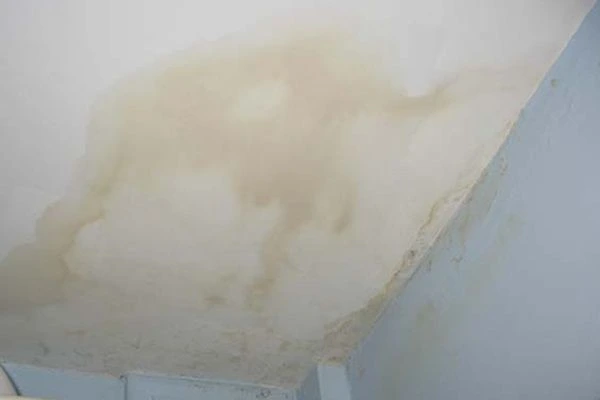
What is housing disrepair?
If you rent a council or housing association property which has fallen into disrepair, you may have a disrepair claim against your council or housing association landlord. It is the council or housing association's duty to ensure your home is in an adequate state of repair according to UK law.
Examples of disrepair can include damp, mould, heating, plumbing and electrical issues, pests and infestations, leaks and water damage, damaged windows and doors, defects to the structure of the property and more.
What does disrepair mean?
If a property is in disrepair, it means that repairs are needed before the property can be considered safe and fit to live in according to UK law. If your council or housing association landlord doesn’t take steps required to keep your home in repair – including completing repairs they’re responsible for in reasonable time and keeping installations for electricity, sanitation, gas and water supplies in working order – your home is deemed to be in disrepair. As a result, you have the right to claim compensation for any costs, difficulty, impact on health, discomfort, or suffering you have endured.
How long does a housing disrepair claim take?
The landlord should, normally, respond within 20 working days of receipt of the Letter of Claim, receipt of the letter of claim is taken as being 2 days after the date of the letter.
What types of damage can I claim for?
Some examples of damage found...
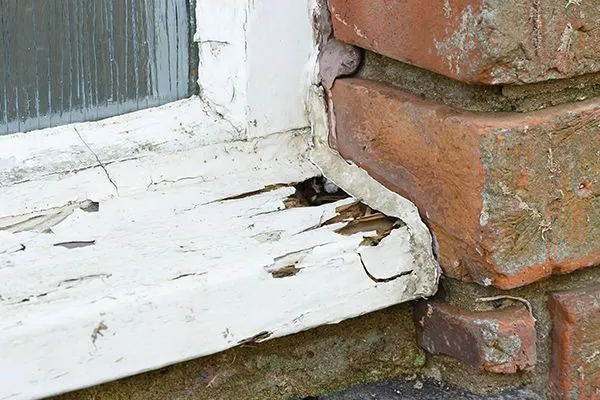
Rotten windows
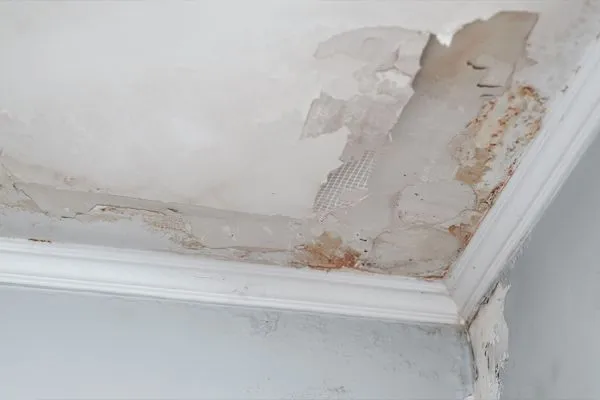
Water Damage
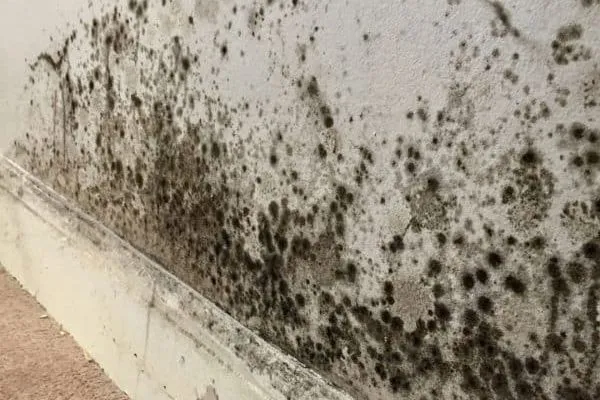
Mould
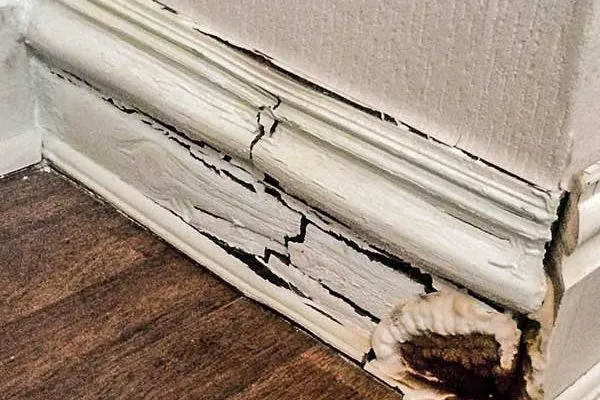
Dry Rot
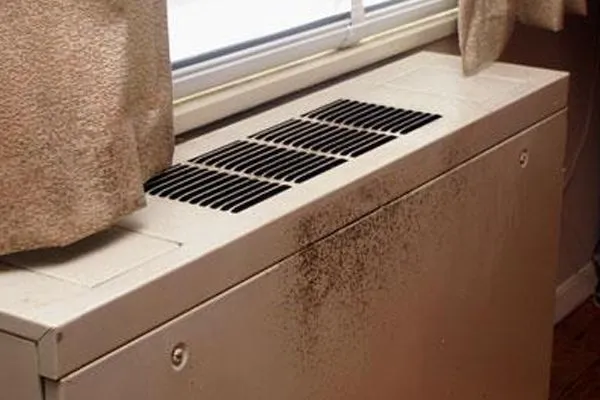
Central Heating